A Collector's Guide to Contemporary Art
Collecting contemporary art sounds intimidating, but it is one of the most personal and rewarding habits you can build. The good news? You do not need a fortune, an art history degree, or a warehouse. You only need curiosity and a few practical principles.
Start With What You Love
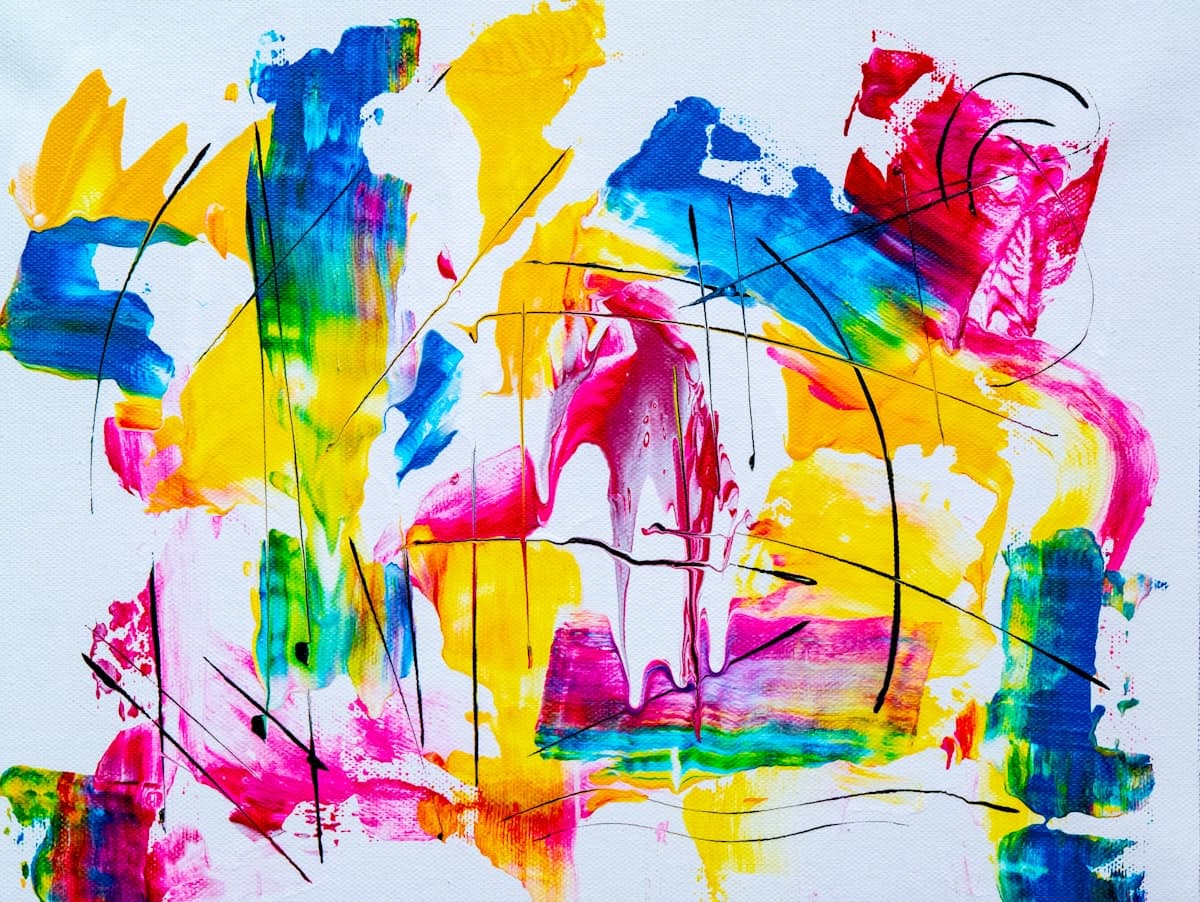
The single best predictor of a satisfying collection is simple: buy what moves you. Walk through galleries and online collections, save what you keep returning to, and notice the patterns. After a few weeks, your taste will reveal itself — a color palette, a medium, a mood.
A collection built on genuine attraction will still feel right in twenty years, even when trends have moved on. Trust your eye before you trust the market.
Learn the Landscape
You do not need to be an expert, but a little knowledge goes a long way. Follow artists on social media, read artist statements, and visit exhibitions. The more you look, the faster you will develop a sense of what is original, well-made, and fairly priced.
Pay attention to how galleries present their artists: biography, exhibition history, and editions all tell you where an artist sits in the broader art world.
Set a Budget and Grow Slowly
The most common collector mistake is overreaching on the first purchase. Instead of one expensive piece, consider a few affordable originals or limited edition prints. You will learn faster, live with more variety, and build confidence.
Remember that a collection is a journey, not a race. The artists you discover now will shape the collection you have in a decade.
Ask the Right Questions
Before you commit, ask about provenance, condition, and edition size. Request a certificate of authenticity and a condition report if available. A reputable gallery will answer gladly — the answers protect you and the work.
Also ask about the artist: what is their background, and is this piece representative of their current direction? Great questions lead to great purchases.
Build Relationships
Collecting is a people business. Galleries, artists, and fellow collectors share information and opportunities with people they know. Attend openings, ask questions, and stay in touch.
Over time, those relationships bring first looks at new works, fairer negotiations, and invitations to events that never reach the public listings.