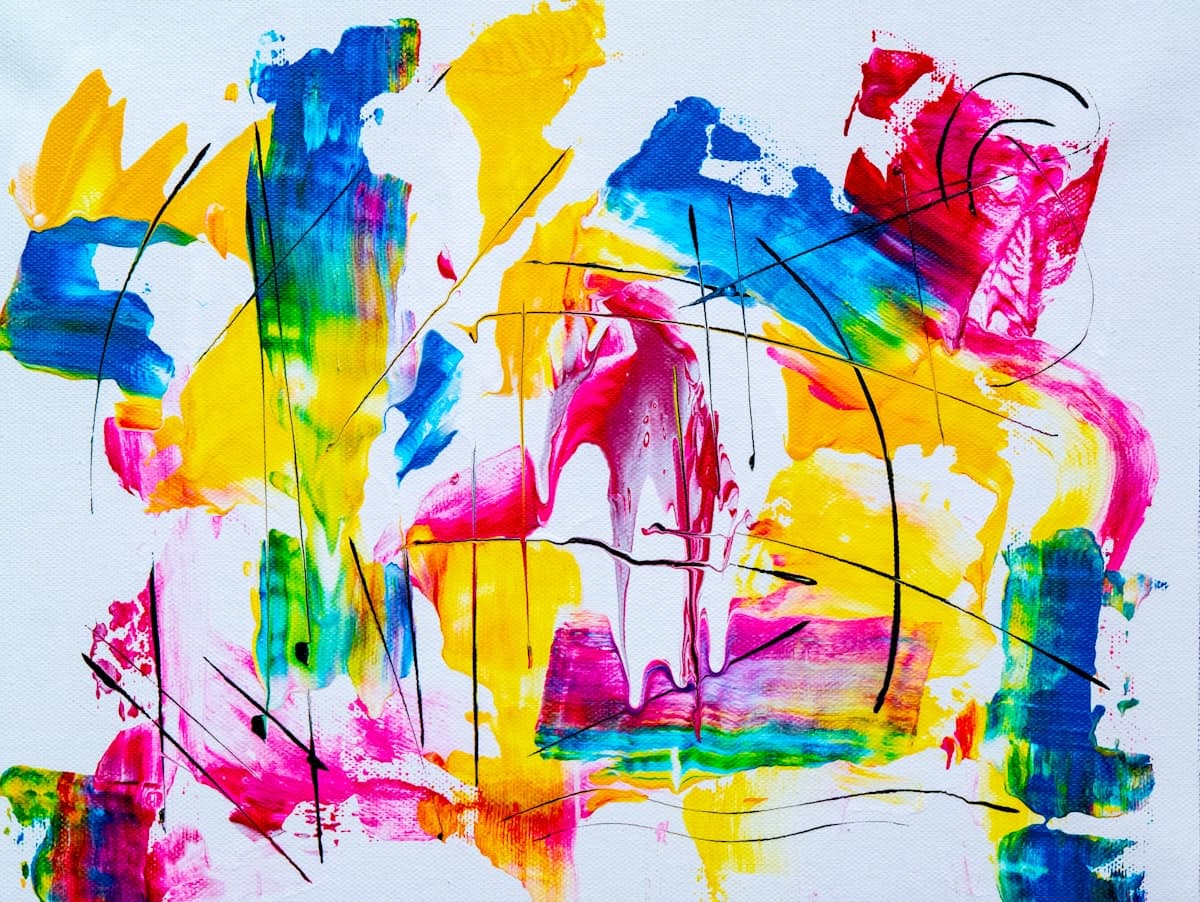
How to Choose Art That Fits Your Space
You found a piece you love — now the question is whether it will love your living room back. With a few simple rules about scale, color, and light, you can choose art that feels like it was made for the wall it hangs on.
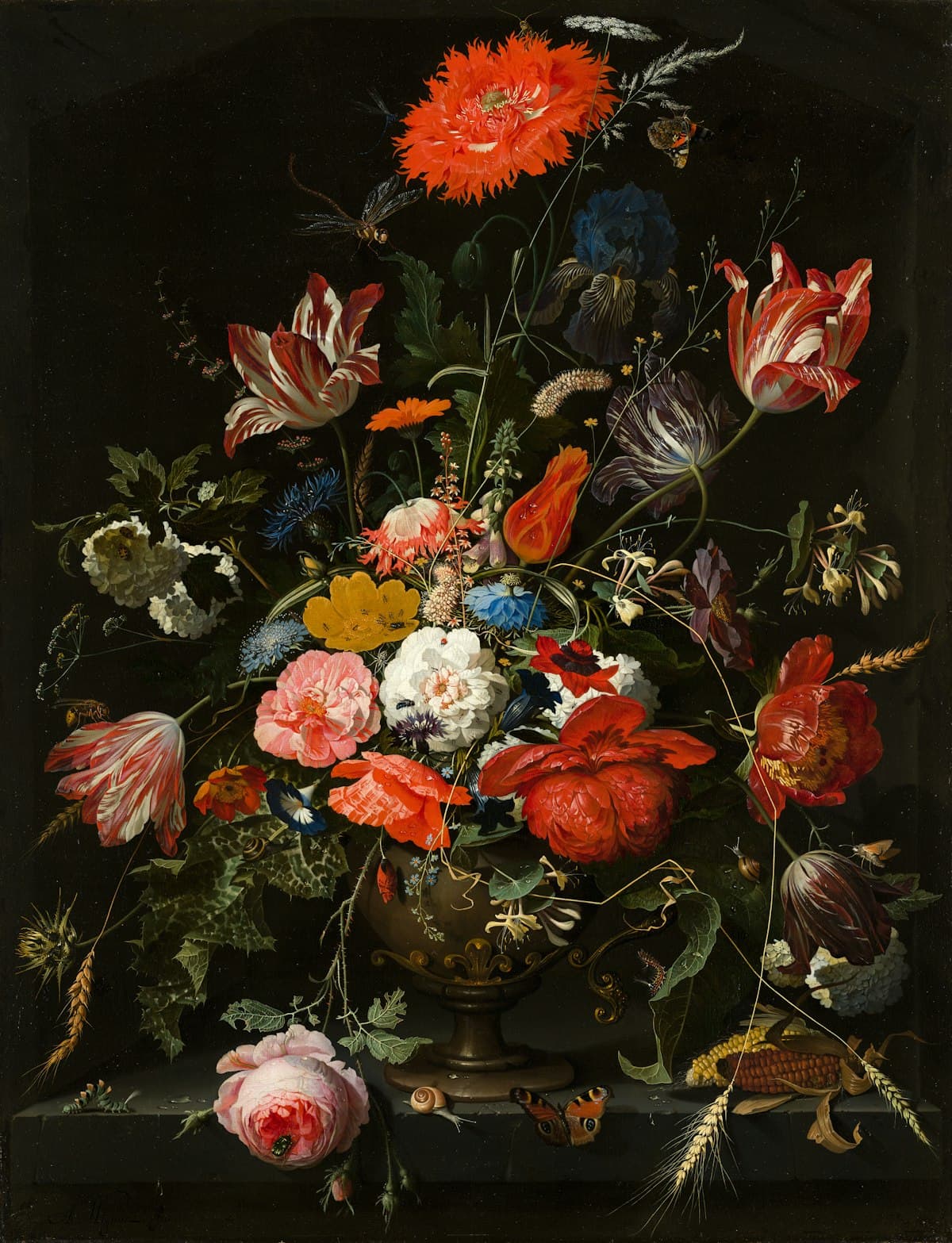
Consider Scale First
The most common interior mistake is buying art that is too small for the wall. As a rule of thumb, a single artwork should occupy roughly two-thirds to three-quarters of the width of the furniture below it, or of the wall itself for a feature wall.
When in doubt, go larger. A generous piece anchors a room; a timid one disappears. Before buying, tape out the dimensions on your wall and live with the outline for a day.
Color and Mood
Art brings a room to life, but it should talk with the space, not shout over it. Look at your existing palette — the sofa, the rug, the wood tones — and choose art that repeats or complements those colors.
Cool blues and greens create calm and recede, while warm reds and ambers energize a space and advance. Decide how you want the room to feel, and let the artwork support that feeling.
Lighting Matters
Light transforms art more than anything else. Note where natural light falls during the day and where the room is lit at night. A picture light or a simple spotlight can make even a modest piece feel museum-grade.
Avoid placing valuable works in direct, prolonged sunlight, which can fade pigments over time. Diffused light is both kinder to the art and more flattering to it.
Let the Space Breathe
Resist the urge to fill every wall. Negative space gives each piece room to breathe and makes your collection feel intentional rather than crowded. A single striking work can do more than a dozen forgettable ones.
And once the art is up, resist the urge to rearrange immediately. Live with it for a few weeks — rooms and artworks need time to make friends.